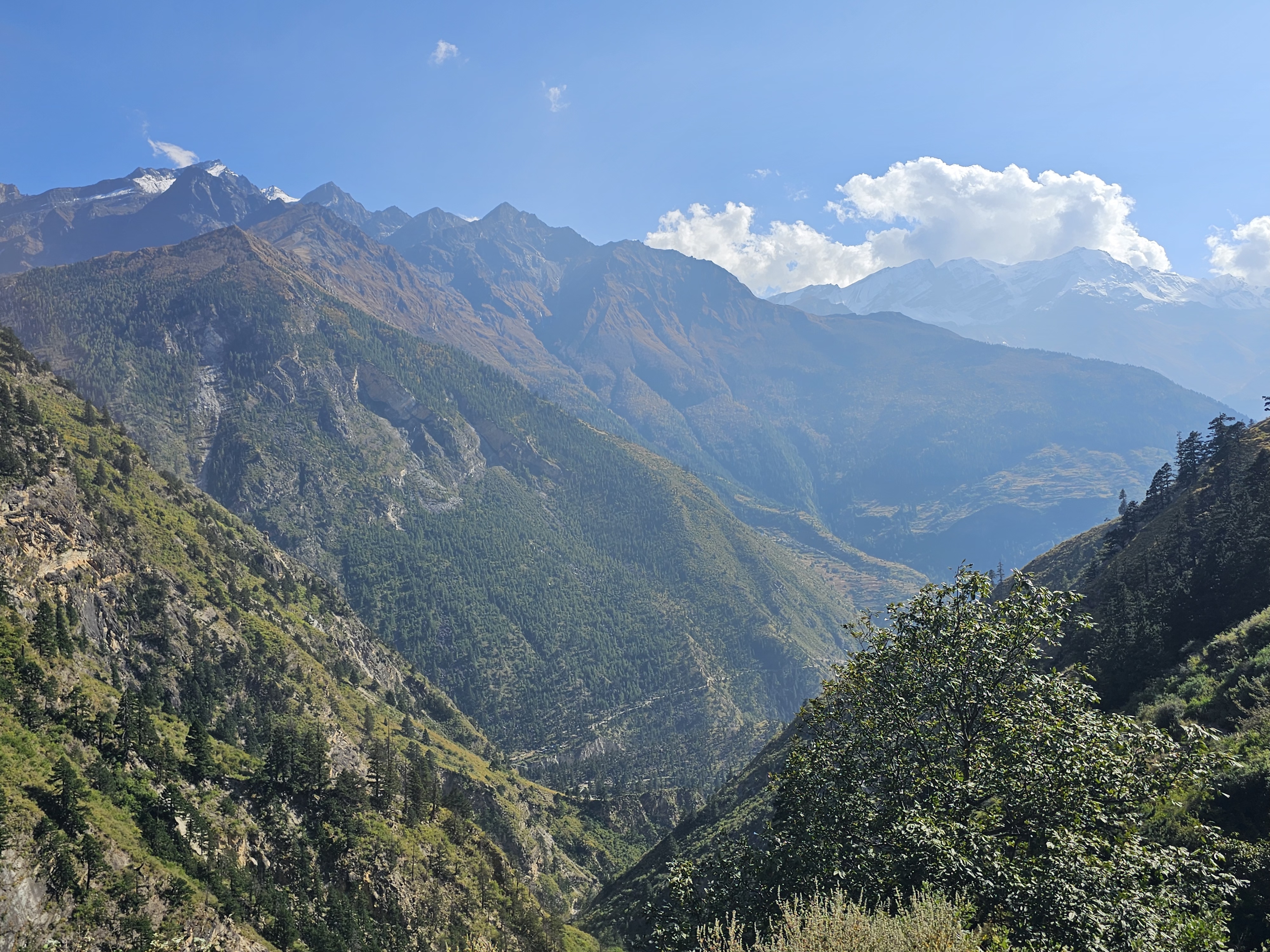
We asked Norbu to show us the road less travelled, and his suggested route has certainly delivered.
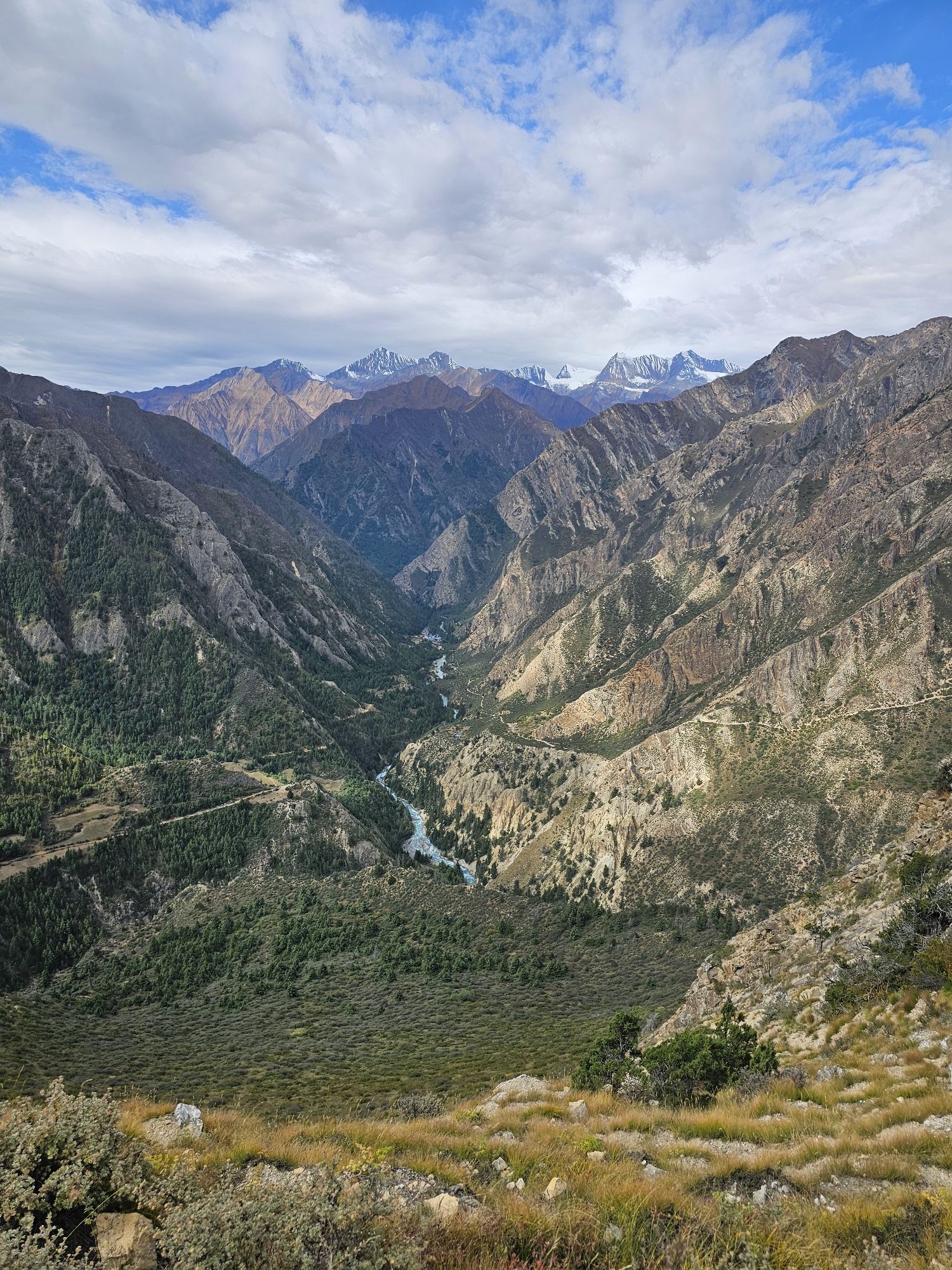
This north-western region of Nepal is less travelled in large part because it is so incredibly difficult to reach. Our planned journey from London to the starting point at Rara Lake (29.51617° N, 82.08352° E) required four aeroplanes over as many days, with overnights in Delhi, Kathmandu and Nepalgunj and a half day's walk from the final airstrip. In practice, it took six days.
The tiny airstrip at Talcha (29.52124° N, 82.14660° E) is known as one of the most dangerous in the world, and is served by just one tiny airline operating just one twin-prop plane. The 21-seater must make a very low crossing of a mountain ridge, and then bank hard left through 180 degrees, whilst dripping 1,000m of altitude - all within about 20km of flight path. From the second row we heard both the stall speed alarm and the co-pilot warming "Trees! Trees! Trees!" as the wingtip skimmed the rock face and we locked eyes with mountain goats level with and not 20m from the window.
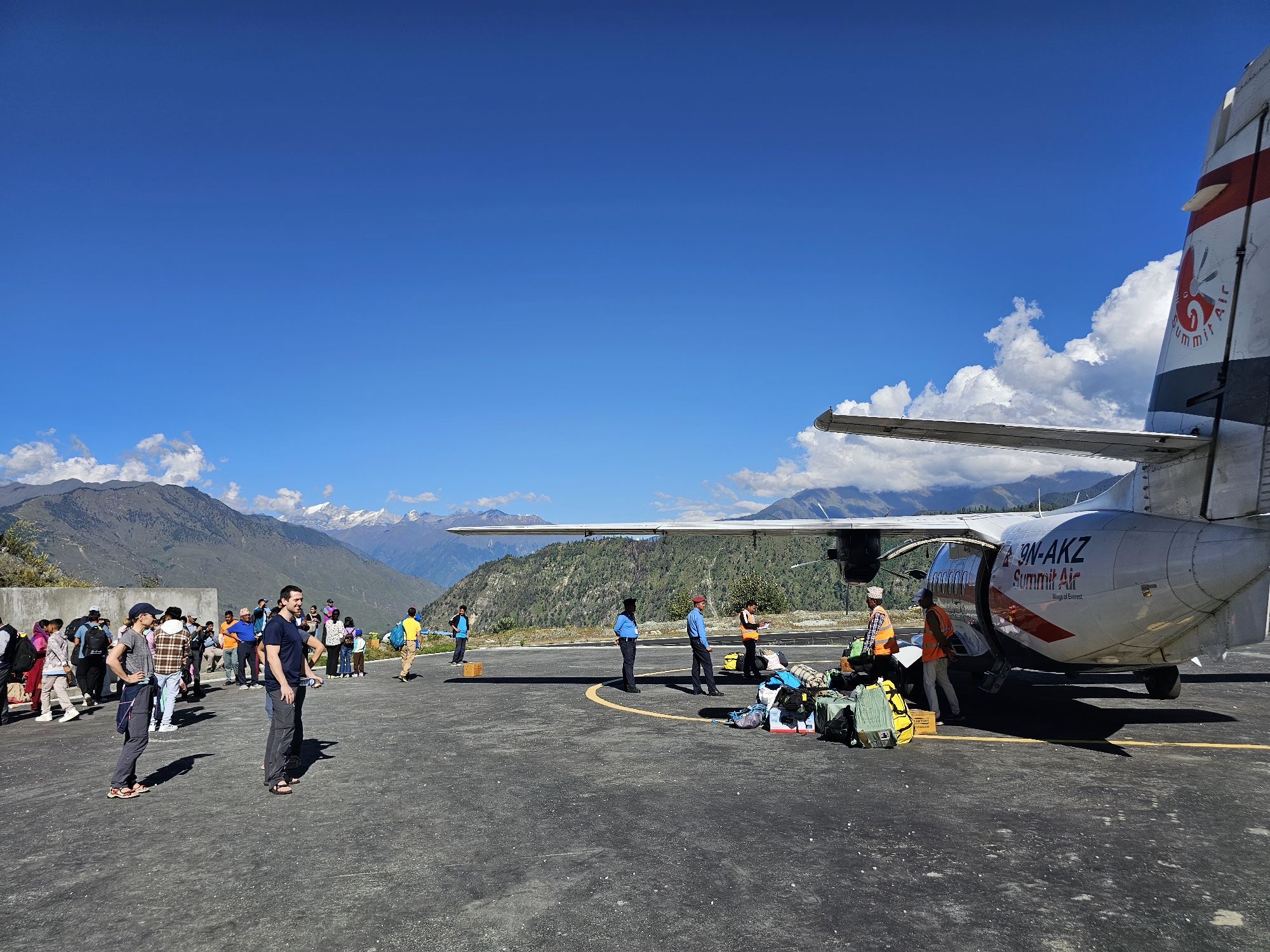
The challenge of access is not limited to the heart-stopping landing strip. The tiny plane is at the mercy of mountain weather, wind, cloud, rain, snow, cold all more than capable of giving side to cancelled flights. The tiny airline is similarly buffeted by commercial factors, with the more profitable Everest routes offering better prospects of fully sold flights. In our case it was a mechanical issue that prevented our scheduled flight, leading to 48 hours delay in Nepalgunj. These issues affect all air-routes in the region, as our travelling companions discovered on the way home: their confirmed airline reservations substituted for a 16-hour bone-rattling jeep ride because the route was under sold.
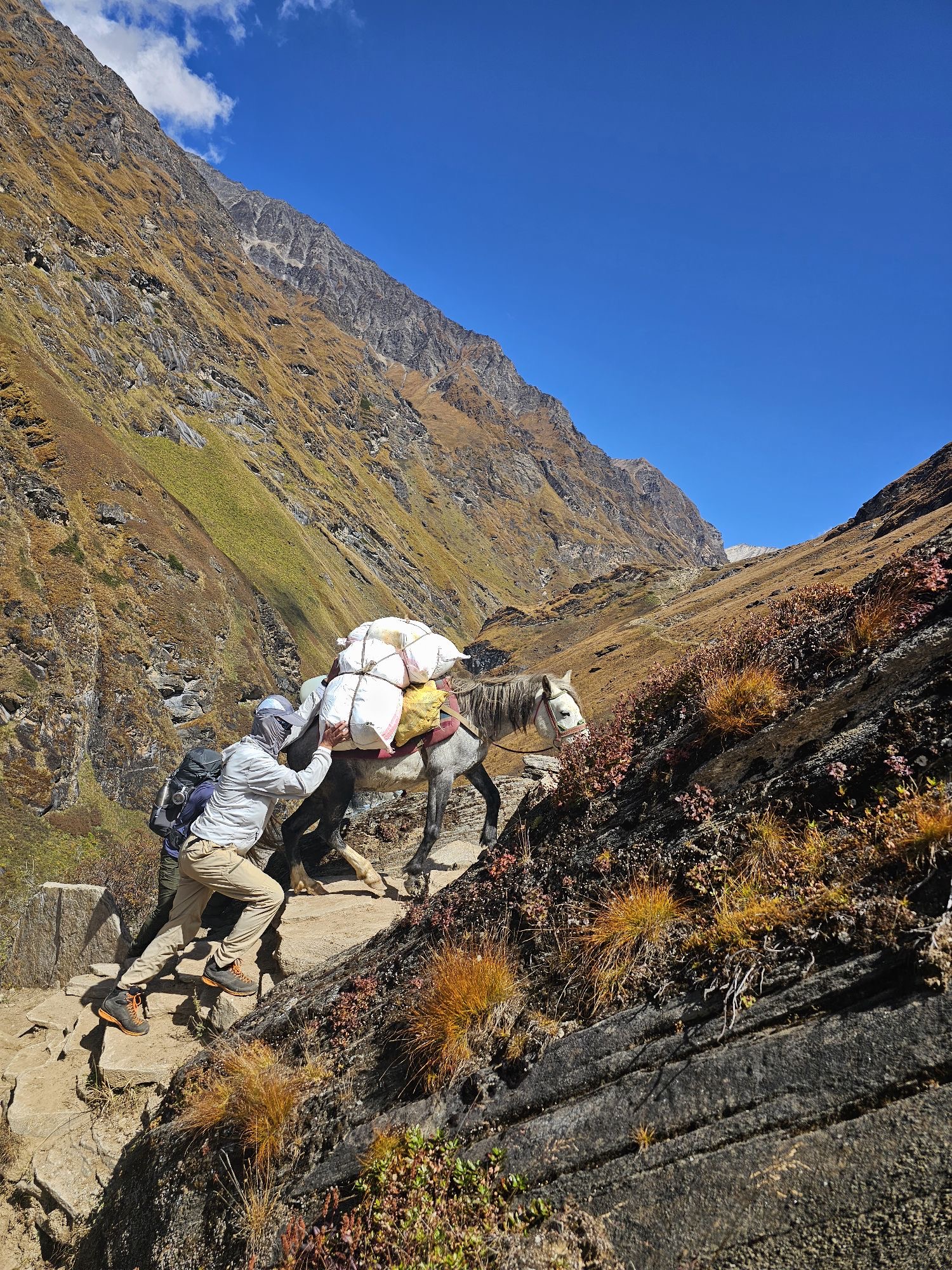
Once on the ground, logistics do not get easier. The 'main' roads here are passable only by tractor, or by highly capable 4x4's with both diff locks and expert drivers. Many roads are too rough even for pack horses, making human porters an integral part of daily commerce. Floods and landslips are commonplace, and mobile phone signal is rare. The principal source of information about the road ahead is the passing exchange with each passing traveller, just as it has been for centuries.
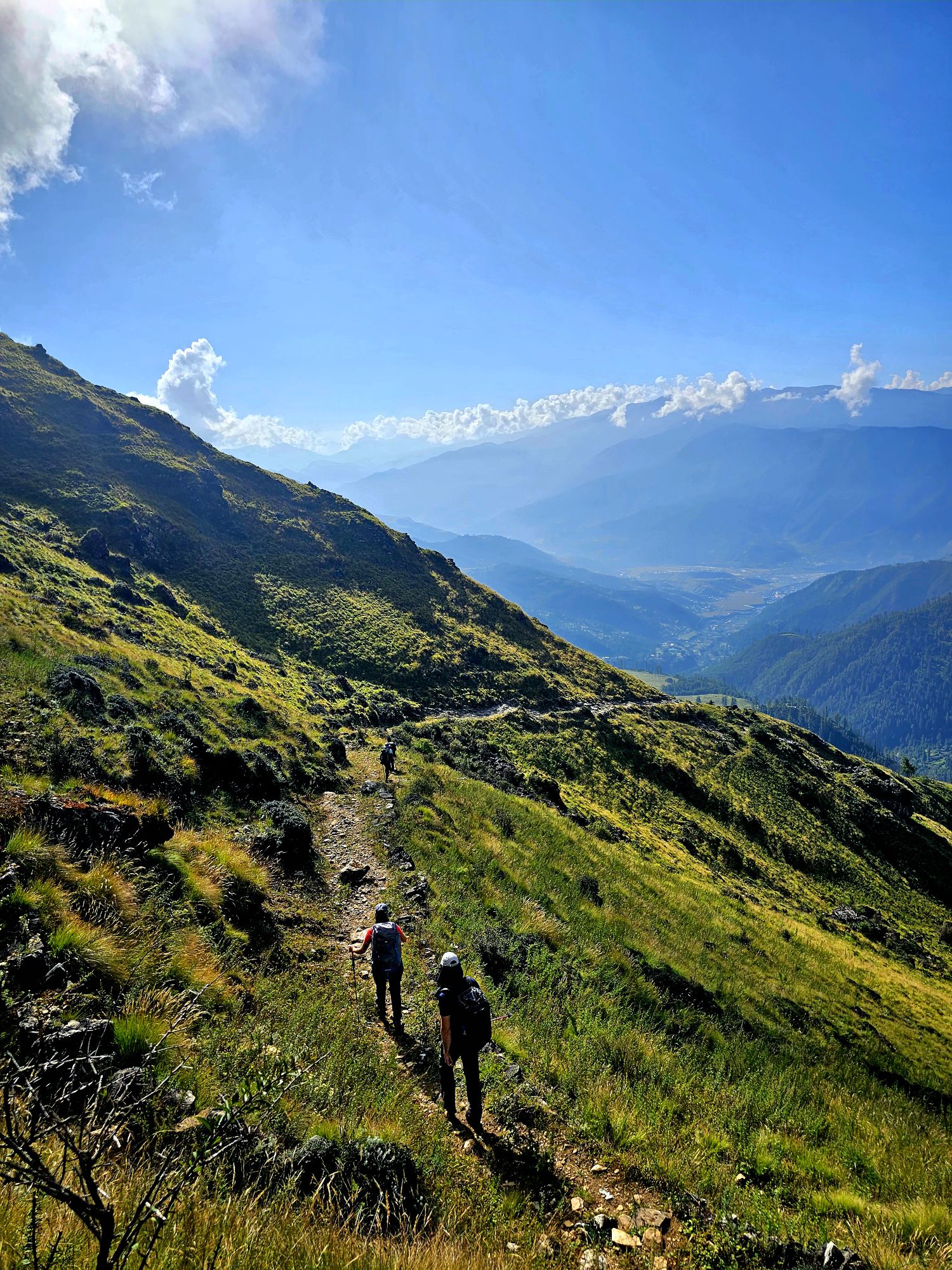
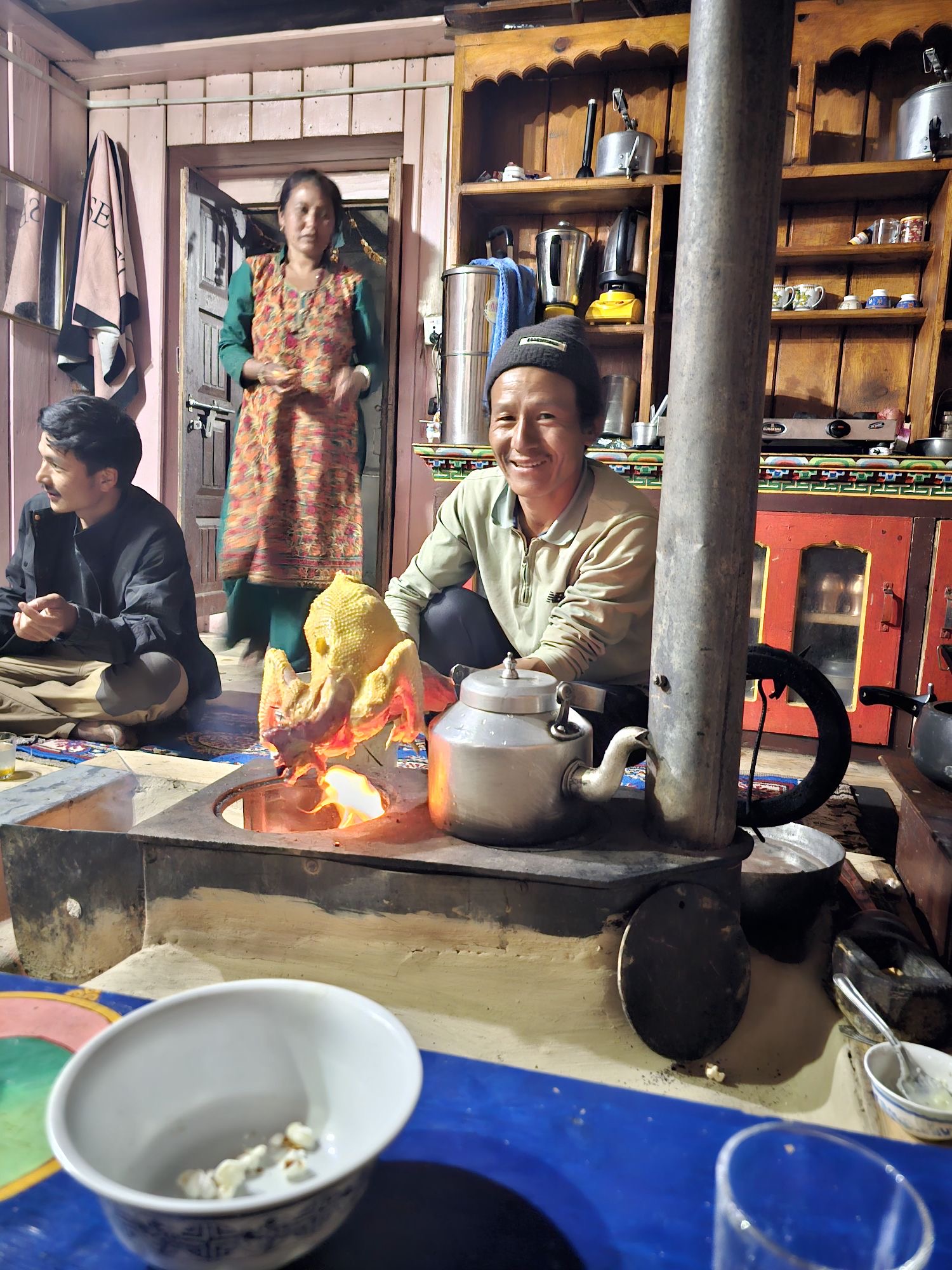
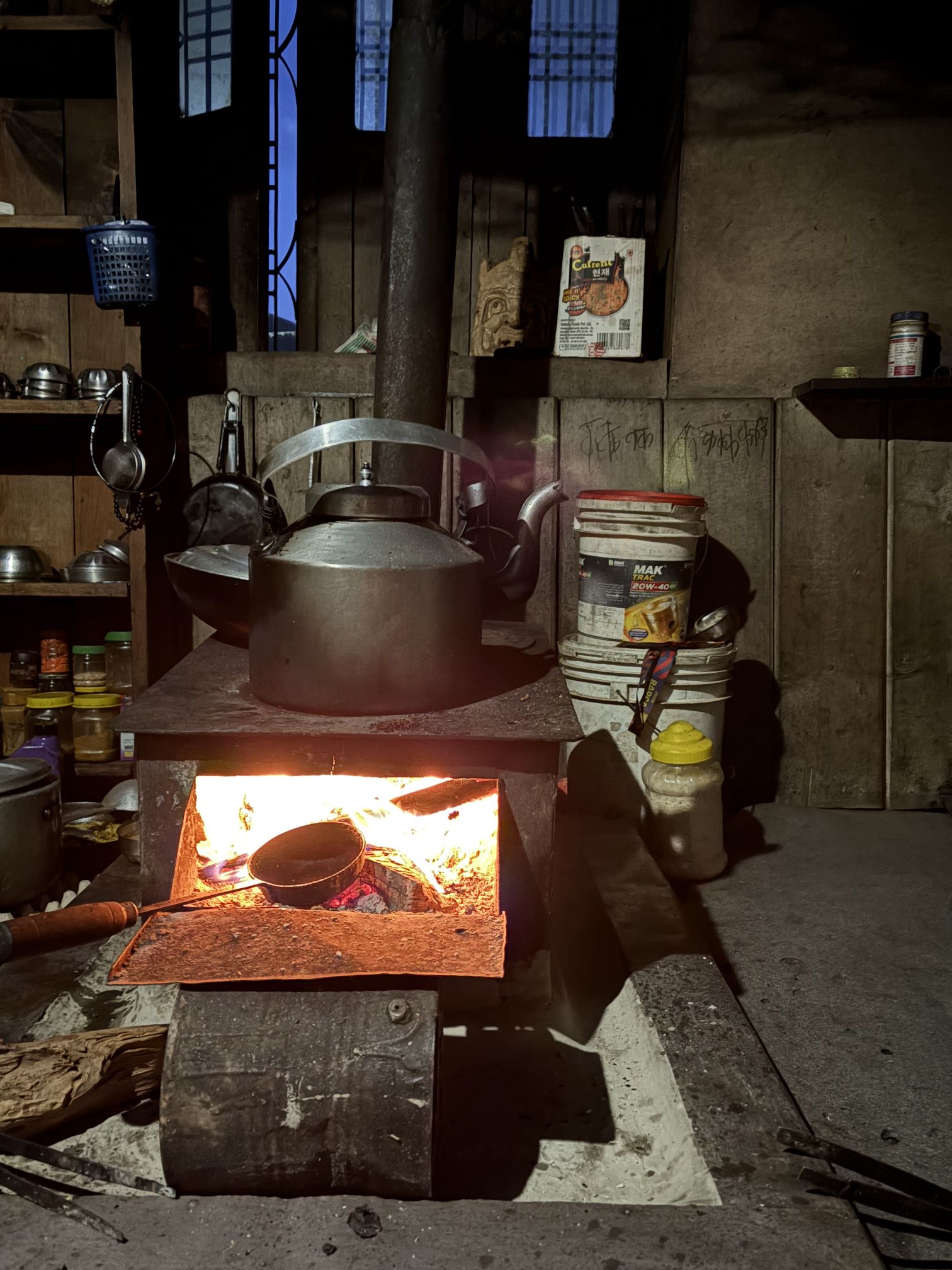
We have often found ourselves three days walk or more from the nearest permanent settlement. This isolation has taken us hundreds of years back in time. The only modern concession is often the low voltage light bulb / car battery and small solar panel that offer a dim light to the kitchen. In every other way the houses of Dolpo are unchanged. Hand churned butter, water milled grain, and wood fired cooking are the norm. Below the blanket our bedding is often straw over timber. People are welcoming, and generous to travellers.
I dislike the word "unspoiled" since it places a negative valence on the comprehensive improvements in comfort, health and opportunity that come with modernisation. But this hard to reach region of Nepal offers - at least for now - a chance to see and join in local life as it has been lived for centuries.
We just wanted to avoid the tourists, but we found so much more.